Progressive Architecture Concepts: Discovering the Advantages of Professional Architecture Services
Creative building designs serve a critical function in shaping urban settings. Through emphasizing eco-conscious functionality, designers can create spaces that reflect societal demands. Incorporating green materials and intelligent systems improves energy performance while cultivating collaborative spaces. As design philosophies develop, they adapt to occupant demands and celebrate community identity. The question remains: in what ways do these factors combine to reshape our cities and uplift community standards?
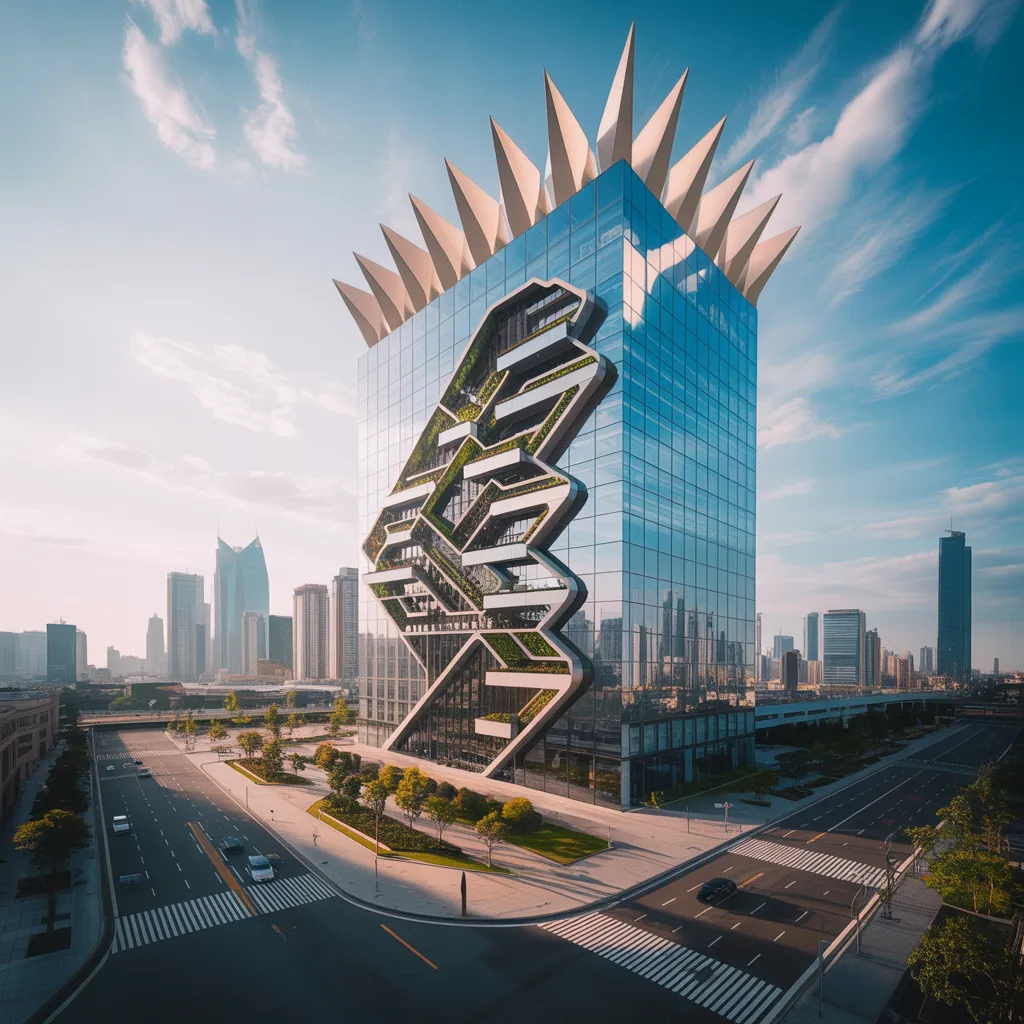
The Importance of Architects in Developing Sustainable Spaces
Architects serve an essential role in the development of eco-friendly environments, considerably impacting the environmental impact of the built world. Their knowledge enables the inclusion of eco-friendly materials, energy-saving systems, and progressive design concepts that decrease the use of resources. Through a focus on sustainability, architects are able to develop structures that minimize greenhouse gas output and improve energy efficiency.
Collaboration with environmental specialists and engineers is vital in this endeavor, making certain that designs satisfy both visual and practical requirements while maintaining eco-friendly standards. Furthermore, architects take into account the surrounding ecosystem, encouraging biodiversity and integrating natural features that cultivate a symbiotic bond between built and natural environments.
With careful consideration, architects champion the use of sustainable energy options, such as wind or solar energy, which further reinforces environmental goals. Ultimately, their role extends beyond mere construction; architects define the evolution of urban spaces by fostering a commitment to responsible design and environmental stewardship.
Key Innovations in Architectural Design That Improve Functionality
Numerous innovations in structural architecture are transforming how contemporary spaces operate. One source prominent advancement is the integration of smart technology, enabling structures to respond to occupant requirements through automated lighting, climate control, and security systems. This improvement leads to greater energy savings and enhanced occupant comfort.
In addition, modular construction techniques are gaining traction, facilitating more rapid construction and improved design adaptability. Such constructions can be readily modified or scaled up, making them appropriate for numerous functions.
Biophilic design, that integrates organic components into architecture, supports productivity and well-being, fostering a bond between building users and their environment.
Additionally, open floor plans continue to gain popularity, enabling flexible spaces capable of accommodating various activities.
Finally, sustainable materials are being utilized not only for their eco-friendliness but also for their visual appeal and long-lasting qualities, enhancing the overall functionality of modern structures. These innovations collectively contribute to more adaptable and efficient architectural solutions.
The Way Design Brings Communities Together
Architecture serves a fundamental purpose in fostering bonds within neighborhoods, establishing spaces that facilitate engagement as well as cooperation among inhabitants. Thoughtfully designed green spaces, open areas, and community zones act as vital social hubs, promoting public participation and a feeling of community. Design elements such as open layouts and adaptable environments facilitate opportunities for local activities and programs, enhancing the overall quality of life.
Furthermore, designs that incorporate local culture and history cultivate a distinctive identity, enabling residents to develop a stronger connection to their environment. By championing accessibility and inclusivity, architects ensure that everyone, regardless of age or ability, can participate in community life.
The inclusion of natural components, such as green spaces and recreational areas, additionally elevates the neighborhood experience, offering residents a sanctuary and a space for collective recreation. In the end, intentional architectural planning not only defines physical environments but also fosters the connections that unite communities.
Maximizing Energy Efficiency Via Expert Architectural Design
A notable change in favor of energy conservation is reshaping the architecture landscape, driving the development of innovative solutions that reduce ecological footprint. Skilled architectural expertise have a critical part in this shift by incorporating green methodologies into their designs. These design professionals assess energy consumption patterns and utilize high-quality materials, such as superior insulation systems and energy-efficient windows, to reduce thermal energy demands.
Moreover, the inclusion of green energy systems, like photovoltaic panels and geothermal solutions, not only decreases reliance on fossil fuels but also cuts overhead expenses for building owners. Smart building technologies also optimize energy efficiency, allowing for instant oversight and regulation of energy usage.
Through detailed planning and forward-thinking design, skilled architects create spaces that not only adhere to rigorous environmental standards but also promote long-term sustainability. This commitment to energy efficiency ultimately supports a greener planet and more robust communities, reinforcing the critical role of architecture in tackling climate change.
Remarkable Urban Landscape Changes
One notable example can be found in the transformation of abandoned waterfront districts into dynamic recreational areas, complete with walking paths, parks, and cultural installations. These changes serve to enhance the landscape while also boosting surrounding economies by bringing in tourists and business opportunities.
Moreover, effective urban design considers the particular characteristics of a neighborhood, guaranteeing that every transformation captures its past and essence. This personalized method encourages a spirit of ownership among community members, encouraging responsible management of the space. In the end, impactful urban transformations showcase the potential of urban planning to reinvent how cities are experienced and contribute to sustainable city living.
What's Next for Innovative Architecture?
How might forward-thinking architecture evolve to meet and respond to the shifting needs of modern society? As cities become progressively more complex, architects are called upon to confront significant challenges like sustainability, affordability, and social equity. Emerging technologies, including artificial intelligence and advanced materials, offer new avenues for design, enabling more efficient construction processes and enhanced energy performance.
In addition, architects are consistently partnering with numerous stakeholders, from neighborhood groups to sustainability professionals, confirming that blueprints represent the principles and demands of those who rely on them. Such an inclusive strategy builds resilience, empowering constructions to withstand fluctuating ecological circumstances and public expectations.
Moreover, the adoption of biophilic architectural principles fosters wellness, linking residents to the natural world. As the field of architecture advances, the emphasis on creative solutions will continue to be essential, driving the profession to design environments that are not only functional but also transformative for generations to come.
Frequently Asked Questions
How Do Architects Work Together With Engineers on Projects?
Engineers and architects work together by combining design principles with technical specifications, ensuring structural integrity and functionality. Scheduled meetings promote effective dialogue, allowing both disciplines to address challenges and advance project success through combined expertise and forward-thinking strategies.
What Are the Fees Associated With Hiring an Architect?
The expenses involved in engaging an architect typically include design costs, project oversight fees, and possible extra charges for on-site visits or consultations. These costs can vary considerably based on project complexity and location.
How Long Does the Architectural Design Process Typically Take?
The architecture design workflow typically takes a few months, depending on project scope and the requirements of the client. Elements including permits, revisions, and contractor coordination can also influence the entire project schedule, often extending the duration considerably.
Are Architects Able to Assist With Zoning and Permit Applications?
Yes, architects can assist with zoning and permit applications. Their experience allows them to navigate complex regulations and ensures adherence to local building codes, making the process more efficient and enhancing the probability of gaining the essential approvals for construction projects.
What Qualities Should I Look for When Hiring an Architect?
When hiring an architect, you should consider qualifications such as relevant experience, proper licensing, educational background, strong communication skills, and a portfolio showcasing creativity and problem-solving skills. Specific areas of expertise may also matter based on the nature of the project.